Inside Algeria-Austria: A 3-3 Draw
Austria and Algeria finished level at 3-3 in their 2026 FIFA World Cup Group J finale, with both nations advancing to the knockout stage from the United States. The result left each team on 4 points a...

Inside Algeria-Austria: A 3-3 Draw
Austria and Algeria finished level at 3-3 in their 2026 FIFA World Cup Group J finale, with both nations advancing to the knockout stage from the United States. The result left each team on 4 points after three matches, although Austria ranked second behind Argentina while Algeria finished third and qualified as one of the eight best third-placed teams. Marko Arnautovic scored for Austria in the 28th minute, Marcel Sabitzer added another in the 55th, and Sasa Kalajdzic produced the decisive 96th-minute equaliser. Algeria responded through Rafik Belghali and two Riyad Mahrez goals, including a stoppage-time strike that briefly threatened Austria’s progression. The draw eliminated Iran and created two different knockout paths: Austria faced Spain in Los Angeles, while Algeria drew Switzerland in Vancouver. For accurate Algeria national football team vs Austria national football team standings analysis, record the points, goal difference, tiebreakers, and qualification route together, then assess the match rather than relying on the final score alone.

Photo by Waseem Lazkani on Pexels
Imagine watching a group table change twice in stoppage time. I have seen enough football heartbreak to know that “comfortable” is usually an invitation to disaster, and this Algeria-Austria finale proved it again. The 3-3 scoreline was not merely entertaining; it was the precise result that allowed both teams to move forward while Iran was sent home. Stadium View’s reading is blunt: the standings matter more than the drama, but the drama explains why the standings became so difficult to interpret. Austria secured second place in Group J and a Round of 32 meeting with Spain, while Algeria survived as a best third-placed qualifier and earned Switzerland. Before comparing predictions or tournament form, separate confirmed table data from “official” pre-match assumptions, because late goals changed the practical meaning of every point.
Want the wider tournament context before assessing the table?
If you are checking the standings: start with the confirmed table
Austria and Algeria both ended the Group J finale with 4 points from three matches, but Austria finished second and Algeria third. Austria’s 3-3 draw with Algeria preserved its knockout qualification, while Algeria advanced through the best-third-place route; Argentina topped the group, and Iran was eliminated. The essential table lesson is that equal points do not automatically mean equal ranking or equal knockout difficulty.
The reported standings line for both teams was 1 win, 1 draw, 1 loss, giving each side four points. Austria’s position was stronger because it occupied an automatic qualifying place within Group J, whereas Algeria depended on the tournament’s comparison among third-placed teams. That distinction is enormous. A team can collect the same points as an opponent and still face a more precarious qualification route because group placement, goal difference, goals scored, and tournament-specific tiebreakers are applied in sequence.
For readers tracking Algeria national football team vs Austria national football team standings, use this compact record:
- Austria: 4 points, second in Group J, advanced to face Spain.
- Algeria: 4 points, third in Group J, advanced as one of eight best third-placed teams.
- Argentina: Group J winner.
- Iran: eliminated after the 3-3 result removed its route forward.
- Knockout pairings: Austria versus Spain; Algeria versus Switzerland.
The FIFA World Cup regulations are the correct authority for competition structure, not a social-media graphic with missing tiebreaker details. As tournament regulations traditionally state, “points are awarded for wins, draws and defeats” before ranking procedures settle the order. That sounds elementary until a 96th-minute header turns a supposedly decisive fixture into a shared escape.
[Internal Link: 2026 World Cup group-stage standings guide]
If you are comparing table position rather than simply counting points, use this method every time:
- Confirm matches played and total points.
- Check group position, not only the points column.
- Identify whether qualification was automatic or through a third-place ranking.
- Confirm the next opponent and venue.
- Review the competition’s published tiebreakers before drawing betting conclusions.
If you are studying the match: map the goals and momentum
The 3-3 draw was shaped by six goals and two separate late swings, with Austria leading twice before Algeria appeared to steal the match and Kalajdzic restored parity in the sixth minute of added time. The scorers were Marko Arnautovic, Marcel Sabitzer, Sasa Kalajdzic, Rafik Belghali, and Riyad Mahrez, whose two goals nearly changed Austria’s entire tournament.
Austria struck first through Arnautovic in the 28th minute, giving Ralf Rangnick’s side the kind of advantage experienced tournament teams usually protect. Algeria’s Belghali answered before halftime, keeping the match balanced and ensuring the second half would remain strategically dangerous rather than ceremonial. Sabitzer then restored Austria’s lead in the 55th minute, apparently placing Algeria under pressure to chase the result.
That pressure produced Mahrez’s first goal in the 60th minute and his second in the 90th minute plus three minutes. For a short, brutal period, Austria was facing elimination. Mahrez’s late strike looked like the final chapter, but Kalajdzic headed home at 90+6, rescuing Austria and confirming advancement for both teams. The BBC described the equaliser as a “dramatic finish,” and that judgment is entirely fair; this was not a dead rubber dressed up as competition.
My first information-gain point is the timing edge: Algeria’s two final goals arrived after the 60th minute, while Austria’s response came after the apparent 90+3 winner. That sequence tells analysts more than possession claims. Late-game concentration, aerial defending, and substitution management mattered more than any generic statement about “momentum.”
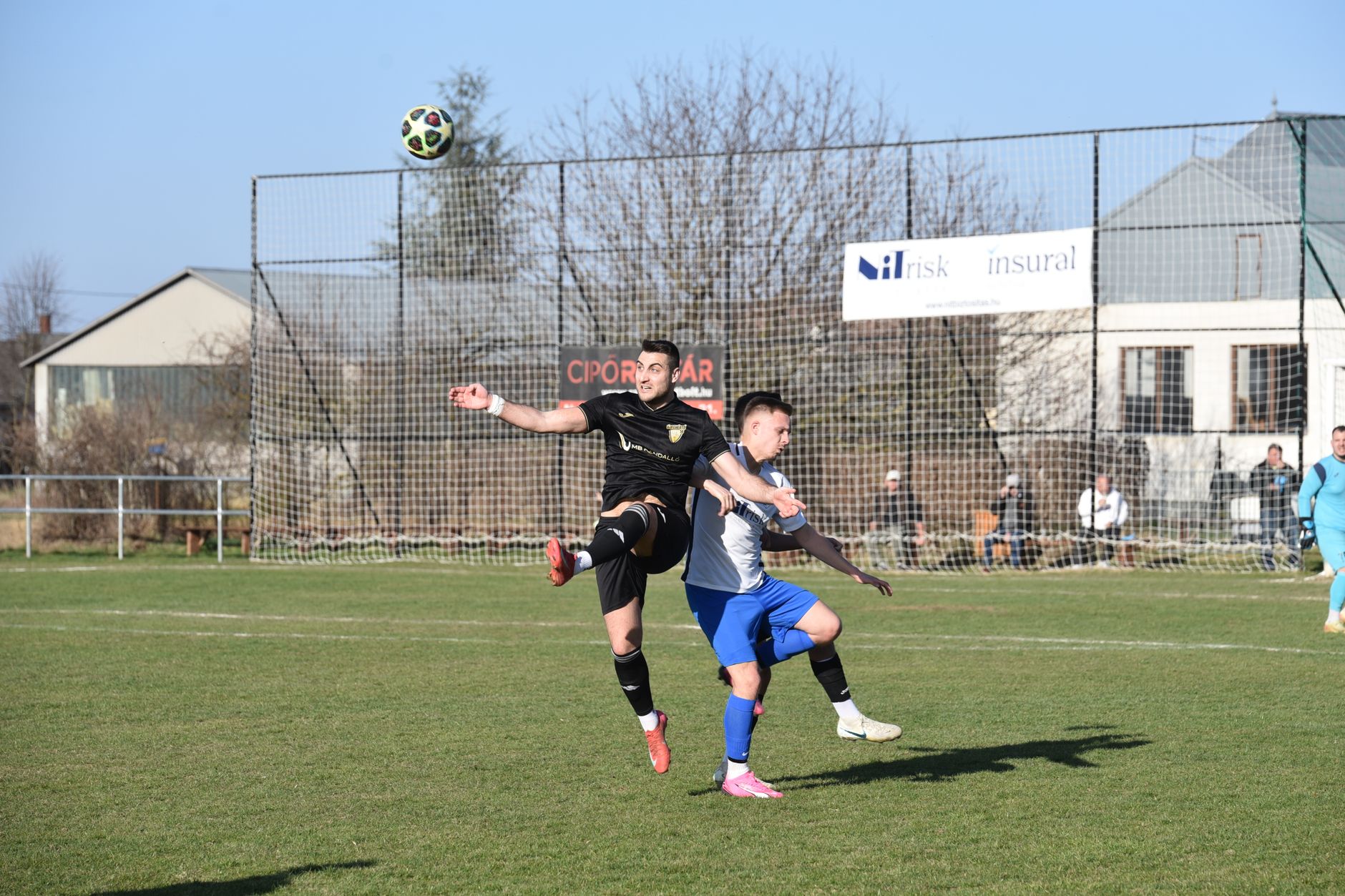
Photo by Zsolt Bodnár on Pexels
See the goal sequence in context before interpreting individual player form.
The match also exposed a contrarian conclusion: a high-scoring draw does not automatically prove that both defences were tactically poor. In this case, the score was heavily influenced by qualification incentives. Once Algeria and Austria understood that a draw could benefit both sides, risk calculation changed repeatedly. Austria had to attack after Mahrez’s second goal, while Algeria could no longer simply protect territory because one conceded header would erase the apparent victory.
For serious match evaluation, record these checkpoints:
- 28 minutes: Arnautovic gave Austria the lead.
- 45 minutes: Belghali restored Algeria’s position.
- 55 minutes: Sabitzer put Austria ahead again.
- 60 minutes: Mahrez made it 2-2.
- 90+3 minutes: Mahrez appeared to give Algeria a 3-2 lead.
- 90+6 minutes: Kalajdzic completed the 3-3 rescue.
[Internal Link: World Cup player statistics and goal timelines]
If you are evaluating knockout value: compare routes, not just rankings
Austria’s second-place finish delivered a tougher-looking but cleaner qualification route against Spain, while Algeria’s third-place qualification produced a meeting with Switzerland. Therefore, Algeria’s lower group ranking did not automatically mean a worse immediate matchup, and Austria’s higher ranking did not guarantee a favourable path. Tournament value must be measured by opponent, bracket, rest, travel, and tactical compatibility.
Austria’s reward was a Round of 32 fixture with Spain in Los Angeles, a match carrying obvious technical and possession challenges. Spain’s European championship status made the pairing formidable, but Austria’s structured pressing and midfield athleticism offered a credible route to discomfort. Algeria, meanwhile, faced Switzerland in Vancouver. Switzerland’s organisation and physical discipline meant Algeria could not treat third place as a victory in itself; survival only created another high-pressure test.
This is where many “standings” articles fail. They stop at second and third, as if those labels explain everything. They do not. A group position is an administrative outcome; the knockout draw is the sporting reality. According to ESPN’s match report, Austria finished behind Argentina and Algeria became the ninth African team among ten to reach the knockout stage. That continental context matters because Algeria’s qualification was not an isolated statistical accident; it formed part of a historically strong African showing at the 2026 tournament.
My second information-gain point is route asymmetry. Austria and Algeria both had four points, yet Austria’s automatic second-place status and Algeria’s best-third-place status created different risk profiles even before the next match began. Austria controlled its group standing through the draw; Algeria depended on the broader third-place table, meaning external results could have mattered if the final score had been different.
Want a sharper way to compare knockout fixtures?
For a disciplined preview, weigh the following factors rather than blindly backing the higher-ranked team:
- Opponent style: Spain’s possession game differs sharply from Switzerland’s compact structure.
- Qualification pressure: Algeria survived a comparison system; Austria qualified directly from Group J.
- Late-goal exposure: Both teams conceded or scored decisive goals after the 90th minute.
- Travel setting: Los Angeles and Vancouver create different logistical and environmental conditions.
- Player availability: Confirm official lineups, injuries, and suspensions before making a forecast.
Common pitfalls to avoid
The most common mistake is treating a 3-3 scoreline as proof that Austria and Algeria were identical in tournament strength. They were identical on four points after the final match, not necessarily in performance, goal difference, tactical profile, or qualification security. Another error is calling Algeria “eliminated” because it finished third; the best-third-place mechanism specifically kept Algeria alive, while Iran’s hopes disappeared when neither Austria nor Algeria won.
Avoid these five traps:
- Confusing standings with head-to-head records: a table position includes the full group, not one match.
- Ignoring stoppage time: Kalajdzic’s 90+6 goal changed Austria’s outcome immediately.
- Assuming second place is always better: the next opponent determines practical difficulty.
- Using stale lineups: Mahrez, Arnautovic, Sabitzer, and Kalajdzic materially shaped this fixture.
- Treating prediction markets as facts: “official odds” reflect pricing, not certainty.
The Associated Press report highlighted that the draw allowed both teams to advance and eliminated Iran. That is the cleanest summary of the competitive mathematics. However, responsible readers should distinguish sports analysis from gambling instruction. Stadium View provides match predictions, tactics, player statistics, and tournament coverage; it does not turn uncertainty into certainty, and no market can remove football’s late, merciless randomness.
A practical verification routine takes less than five minutes:
- Check FIFA’s official competition page.
- Confirm the final score and goal times through ESPN or BBC Sport.
- Compare the group table with the tournament’s third-place ranking rules.
- Verify the knockout opponent independently.
- Set a fixed research budget and stop when the facts are clear.
The 30-day check-in
Thirty days after a dramatic group finale, the useful question is no longer whether the 3-3 draw was exciting; it is whether the result correctly predicted each team’s knockout resilience. Track Austria and Algeria across four areas: defensive performance after the 75th minute, set-piece concession rate, chance creation without Mahrez or Arnautovic, and recovery from travel between American host cities. Those indicators reveal more than the original table alone.
For Austria, the key test is whether the 96th-minute rescue represented composure or emergency dependence. Kalajdzic’s header demonstrated attacking persistence, but conceding the preceding late goal exposed a defensive weakness that Spain could punish with faster circulation. For Algeria, Mahrez’s two goals showed decisive quality, yet relying on a captain to reverse the score twice is not a complete tournament plan. The team needed better control after gaining the apparent 3-2 lead.
Use this 30-day review grid:
- Week 1: confirm knockout results, lineups, and injuries.
- Week 2: compare final-third entries and set-piece outcomes.
- Week 3: review late goals conceded and substitutions.
- Week 4: reassess whether the Group J ranking reflected sustainable strength.
That is the seasoned conclusion. Austria’s second-place finish was the safer qualification achievement, while Algeria’s third-place advancement was the more precarious survival story. Yet neither label settles the football argument. The 3-3 draw showed that points, timing, tiebreakers, and matchup pathways must be read together, and that lesson remains valuable long after the table stops changing.
For continuing 2026 World Cup analysis, follow the next verified standings update.
Frequently Asked Questions
Q: What were the Algeria national football team vs Austria national football team standings?
A: Austria finished second in Group J with 4 points, while Algeria finished third with 4 points. Both teams recorded one win, one draw, and one defeat across three group matches. Austria advanced automatically from the group, whereas Algeria qualified as one of the eight best third-placed teams.
Q: How did Algeria and Austria both qualify after drawing 3-3?
A: The 3-3 draw gave both teams the result required to advance under the tournament’s group and third-place qualification structure. Austria remained above Algeria in Group J, while Algeria’s 4-point total was sufficient in the comparison among third-placed teams. Iran was eliminated because neither Austria nor Algeria lost.
Q: Who scored in the Algeria versus Austria match?
A: Marko Arnautovic, Marcel Sabitzer, and Sasa Kalajdzic scored for Austria, while Rafik Belghali and Riyad Mahrez scored for Algeria. Arnautovic struck in the 28th minute, Sabitzer scored in the 55th, and Kalajdzic headed the 90+6 equaliser. Mahrez scored twice, including a stoppage-time goal at 90+3.
Q: What was the difference between Austria finishing second and Algeria finishing third?
A: Austria’s second-place finish represented automatic qualification from Group J, while Algeria’s third-place finish required comparison with third-placed teams from other groups. That difference affected qualification security and the knockout draw. Austria faced Spain, while Algeria faced Switzerland.
Q: Who did Austria and Algeria play in the knockout round?
A: Austria faced Spain in Los Angeles, and Algeria faced Switzerland in Vancouver. The pairings demonstrate why table position alone does not measure tournament difficulty. Opponent style, travel, rest, injuries, and tactical compatibility also influence the value of a group-stage finish.
Q: How should I check Algeria-Austria standings accurately?
A: Check the final score, points, group position, tiebreakers, and knockout qualification route in that order. Use FIFA for competition information, then cross-check match details with reputable outlets such as ESPN, BBC Sport, or the Associated Press. Do not rely on an isolated social-media table that omits third-place rankings.
Q: Is the 3-3 result useful for predicting future matches?
A: The 3-3 result is useful for identifying late-game tendencies, set-piece risk, and qualification-pressure behaviour, but it is not sufficient for predicting future outcomes. Analysts should also review recent lineups, injuries, tactical matchups, defensive actions after the 75th minute, and opponent quality. A single dramatic draw can reveal weaknesses, but it cannot erase the wider tournament sample.